
The Cost of a Broken Bond
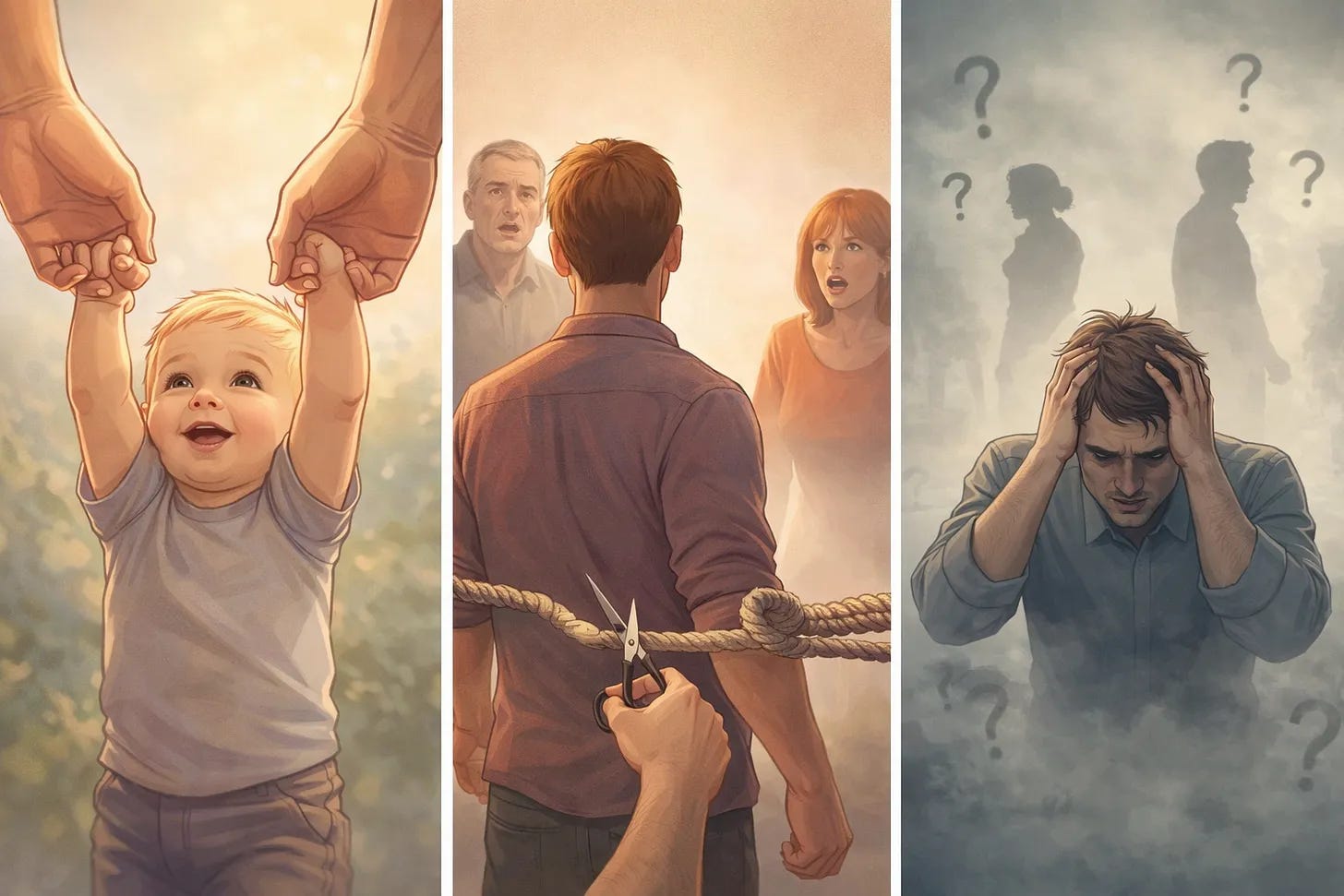
Over the past decade, we have witnessed a profound cultural shift in how family relationships are viewed, especially between parents and adult children. Words like “toxic,” “boundaries,” and “protecting my peace” have become part of everyday language. While some of these concepts can be healthy when used correctly, they have also contributed to a growing trend of family estrangement.
In many cases, relationships that once would have gone through conflict, forgiveness, and repair are now being permanently cut off. This shift is not happening by accident. It is the result of several powerful forces shaping how people think, feel, and interpret their past.
Here are five major factors driving this cultural change, what is causing it, and what it may lead to in the future.
• The Misuse of Therapy Language
Psychological terms that were once used carefully in therapy have become simplified slogans on social media. Words like “toxic,” “narcissist,” and “trauma” are now often applied to normal human conflicts or imperfect parenting. When these labels are used too loosely, they can encourage people to view ordinary disagreements as reasons to permanently cut off family members. What began as tools meant to help people heal are sometimes now pushing people toward division rather than reconciliation.
• The Rise of Extreme Individualism
Modern culture increasingly promotes the idea that personal happiness and emotional comfort should come before everything else. Previous generations were raised to believe that family relationships required patience, sacrifice, and forgiveness. Today, many people are encouraged to remove anything that causes emotional discomfort. While personal boundaries are important, the danger is that family relationships, which are naturally complex and imperfect, are being treated as disposable rather than worth repairing.
• Social Media Reinforcement and Echo Chambers
Algorithms on social media platforms tend to show users more of the content they engage with. If someone begins watching or reading content about difficult family relationships, they may quickly be surrounded by messages that validate cutting off family members as the best or only solution. This creates an echo chamber where one perspective becomes dominant, often without balanced discussion about reconciliation, responsibility, or long-term consequences.
• Pandemic Isolation and Digital Influence
The COVID pandemic accelerated many of these trends. People spent more time online, experienced higher levels of anxiety and isolation, and began re-evaluating their relationships. During this time, many individuals turned to online communities for validation and guidance. For some, this helped them process real pain. For others, it introduced ideas and narratives that reshaped how they viewed their family history, sometimes leading to permanent estrangement.
• The Potential Long-Term Consequences
Researchers are beginning to observe that widespread family estrangement carries deep emotional consequences. Parents often experience profound grief, confusion, and depression. Adult children may initially feel relief but later struggle with unresolved guilt, identity questions, and regret, especially as parents age or pass away. A society where family bonds become increasingly fragile may also weaken the support structures that help individuals navigate hardship.
This cultural shift raises an important question for the future: are we encouraging healing, or are we unintentionally normalizing permanent division within families?
Healthy boundaries, accountability, and personal growth are important. But so are forgiveness, humility and the willingness to repair relationships when possible. Families have always been imperfect, yet they have historically been one of the strongest foundations for resilience, identity, and belonging.
The question that remains is: what will be the outcome of this shift, and which generation will ultimately be the last one left standing?
All good reasons, but misses the main reason - the belief in a secular humanist worldview where man is god and has all the answers. Nothing good ever happens when God is rejected. We are experiencing the reality of what is described in detail in Romans 1:18-32. I hope everyone will take a minute to read it. A false understanding of a problem produces a false solution which results in failure to accomplish lasting change.
Thank you for addressing this issue. "This cultural shift raises an important question for the future: are we encouraging healing, or are we unintentionally normalizing permanent division within families?"
I have written about "How to Stop Detachment Brokers". https://thetranstrain.substack.com/p/how-to-spot-detachment-brokers
I encourage pushback whenever you see or encounter those to advocate breaking the parent-child bond.